
I was lucky enough to be invited to preview a film festival across the pond. And, though its primary focus is on championing local talent, I unsurprisingly found that all of the stories have universal resonance.
The Baltimore Film Summit is a three-day event taking place at the city’s historic SNF Parkway Theatre, showcasing the best Baltimore filmmakers from the past decade across narrative, documentary, and animation.
The summit kicks off with the Baltimore premiere of comedy horror Friday the 69th (2026), which I’ll later dedicate a full review to. It continues with screenings of short film blocks with names like “Strange Connections” and “Pride and Prejudice.” There’s also room for a couple of special and revival screenings, including the 1982 Baltimore-set film Diner.
Full disclosure: I have not once set foot in the state of Maryland, let alone Baltimore. Much of my knowledge of the city comes, appropriately, from cinema. Most prominently from John Waters films like 1988’s Hairspray and its glossier 2007 Hollywood musical adaptation.
That film’s opening song cheerily describes 1960s Baltimore as being rat infested and full of perverts and drunks, which is a little off-putting! But it was incredibly inspiring as a teen to see Tracy Turnblad fight to exert her right to “shake and shimmy it the best that I can” alongside fellow passionate dancers from the African American community on live TV.
However, even slightly cynical viewers could deduce that it would take more than a song-and-dance number to mend the city’s deep racial and socioeconomic divisions. Which pretty much everyone on the planet is well aware of thanks (?) to the universally acclaimed TV show The Wire.
I’ve also seen slightly more contemporary depictions of suburban Baltimore in Waters’ films, like the seminal, severely underrated, and side-spittlingly funny satire Serial Mom (1994). Or of the colorful denizens of the Hampden neighborhood, as seen through the lens of the title character of Pecker (1998).
But, somehow, I had never watched native son Barry Levinson’s “Baltimore Films” tetralogy. And, while I was aware of 1999’s Liberty Heights (mostly because of the participation of talented dreamboat Ben Foster in an early role!), I had never even heard of Diner.
As it’s set in the days leading up to New Year’s Eve 1959, I figured mid-century Baltimore was as good a place as any to begin my cinematic reintroduction to the city.
Revival of Diner
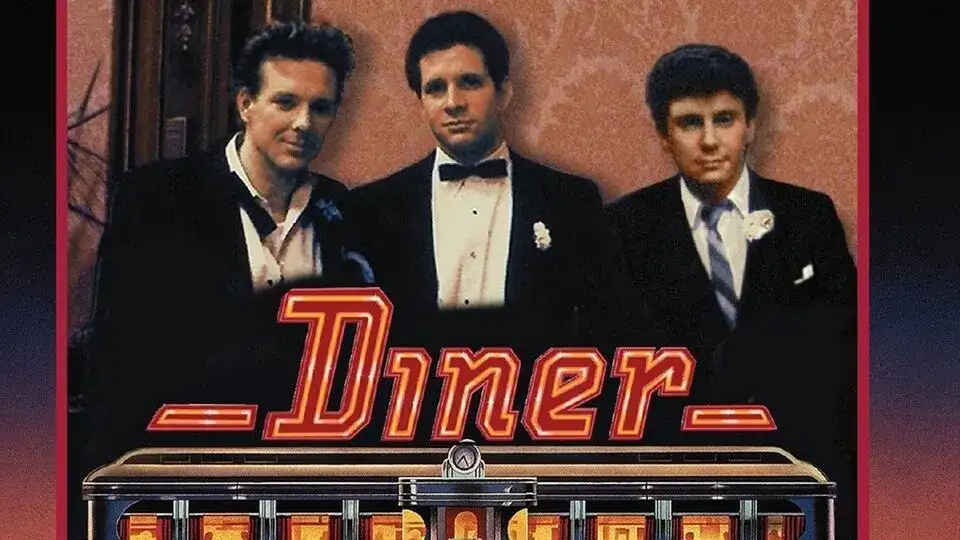
What’s most striking about Diner at first glance is the incredible roster of on-screen talent that Levinson managed to assemble before many of them would go on to become household names later in the decade, and beyond. The film’s stars include Mickey Rourke, Kevin Bacon, Steve Guttenberg, Home Alone‘s Daniel Stern, and Paul Reiser (most recently seen in the smash-hit Amazon show The Boys).
The (very loose) plot centers around a tight-knit group of college-age friends who frequent the titular eatery in the days leading up to the wedding of one of their members, as they indulge in what basically amounts to locker-room talk, as well as musings about the future.
The casual misogyny in the film definitely hasn’t aged well. Nor has the fact that the few female characters are there largely to serve the men’s considerable egos, aside from Kathryn Dowling’s Barbara, who is shown to be a fiercely independent television producer.
Ellen Barkin’s Beth gets the most screentime, and the actress is a sweet and sympathetic presence. But Levinson does the character dirty by having her casually brush off some of the men’s more questionable behaviour.
And the bride-to-be, although frequently talked about, is never fully shown on camera, her face obscured in the fews shots we do get of her. Perhaps Levinson was making some sort of statement about the uncertainty of the future. But it still comes across as a bit dismissive of women, and you can’t help but feel that, for a film with such a large ensemble, it’s sorely lacking in female perspective.
Also, Levinson occasionally lingers on working-class folks quietly going about their business in the background without complaint; a waitress refilling ketchup bottles, a soldier napping on a train station bench, a Black jazz musician wearily lifiting a trumpet to his lips. In contast, the friends’ self-absorbed banter comes across as incredibly privileged.
But, I’m informed, Diner still resonates with, and has a devoted fanbase among, the target demographic it was clearly aimed at: white middle-class straight men.
And Levinson’s film definitely still has merit. While, as legendary critic Pauline Kael put it, “It isn’t remarkable visually,” it’s a great showcase for the male actors, who were encouraged to bond as friends before the shoot and largely allowed to improvise their own dialogue. And the camaraderie they developed shines through loud and clear.
Levinson also has some interesting things to say about the fragility of the masculine construct. Rourke’s Boogie is preoccupied with boasting of his many sexual conquests, and is ever on the lookout for more, even as his gambling addiction spirals out of control and threatens to derail his life.
When his creditor catches up to him, he’s at his day job at, ironically, a beauty salon. And is beaten into submission in a back alley with a pink comb sticking out of his shirt pocket.
At least, by the film’s end, he seems to have learned some lessons about his treatment of women. After deciding that a planned peep show for his friends is wrong, he is seen riding off on horseback alongside a strong, poised woman whom he treats as an equal, not just a potential screw he can make a bet on.
Where to Watch Revival of Diner
Discover where Revival of Diner is available to stream, rent or buy across different platforms and countries.
Strange Connections
According to the festival program, this block of shorts is “designed as a journey.” But where there are ties between each short, clear links also stretch into other areas of the Film Summit’s lineup.
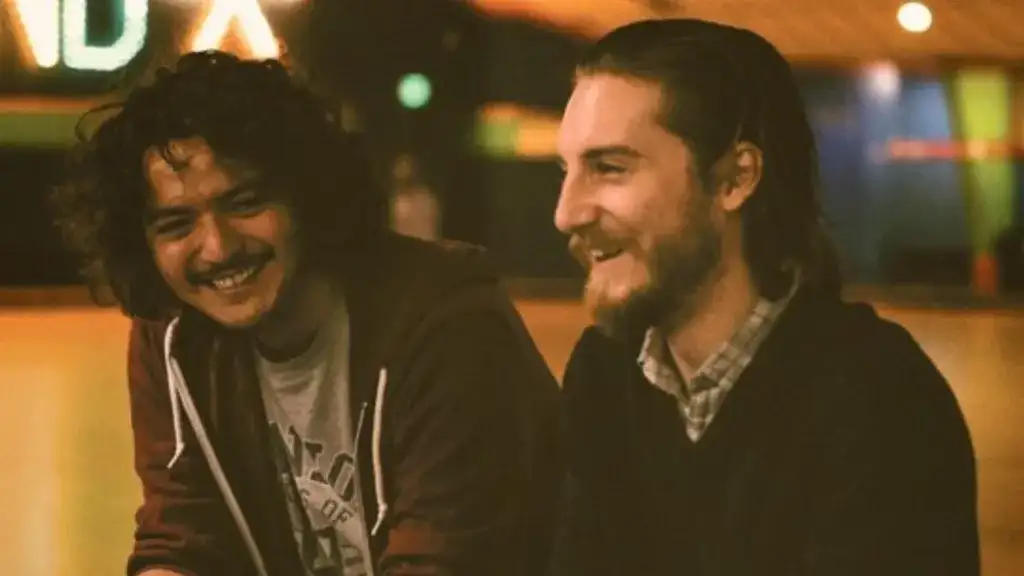
Writer/director Samantha Aben’s Drifting feels like a direct companion piece to Diner. Two adult friends, Dom and Mac, reunite at a place they used to frequent, in this case a roller rink, to catch up and reminisce about their high school days.
Mac has moved on and up in life and is now preoccupied with the burden of adult responsibilities. Dom, like Kevin Bacon’s Diner character Fenwick, is firmly stuck in the past and not using his considerable intelligence for anything tangible.
Dom ends the short where he began, smoking weed on a porch. But he seems perfectly content with that, while Mac drives off with a furrowed brow.
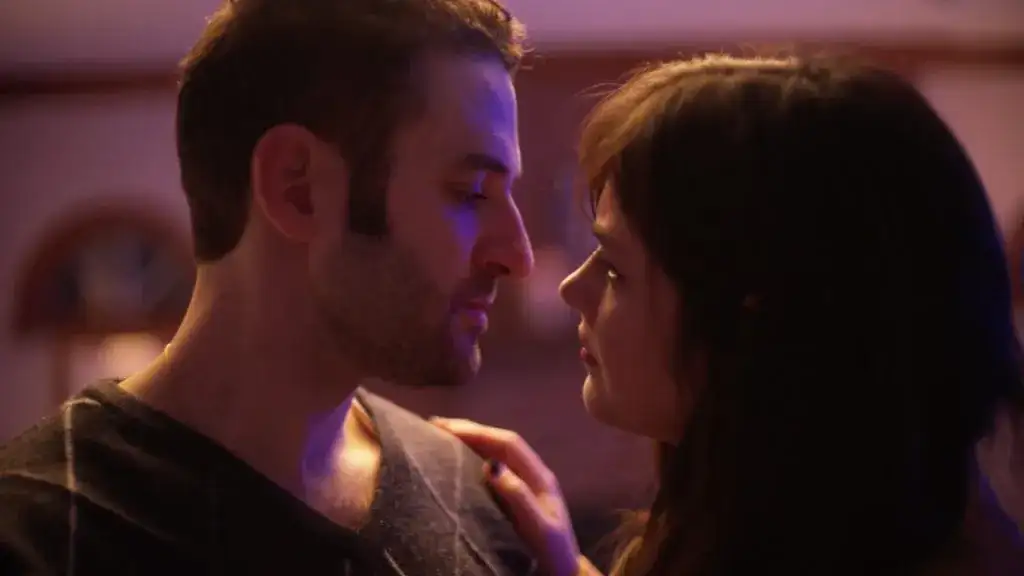
Meanwhile, the protagonist of Zachary Michel‘s comedy He’s a Big Boy Now is essentially a modern version of Rourke’s Boogie, in that he seems to think that a sexual conquest will cure him of all that ails him. And when the seduction doesn’t go according to plan, his fragile ego crumbles.
The gross-out, but also surprisingly sweet and hopeful, Peanut Head (2023) explores feelings of sexual inadequacy touched on elsewhere in this block. And boasts a commendable canine performance, by a very game golden retriever, to match expressive pooch Indy’s award-winning turn in recent horror feature Good Boy.
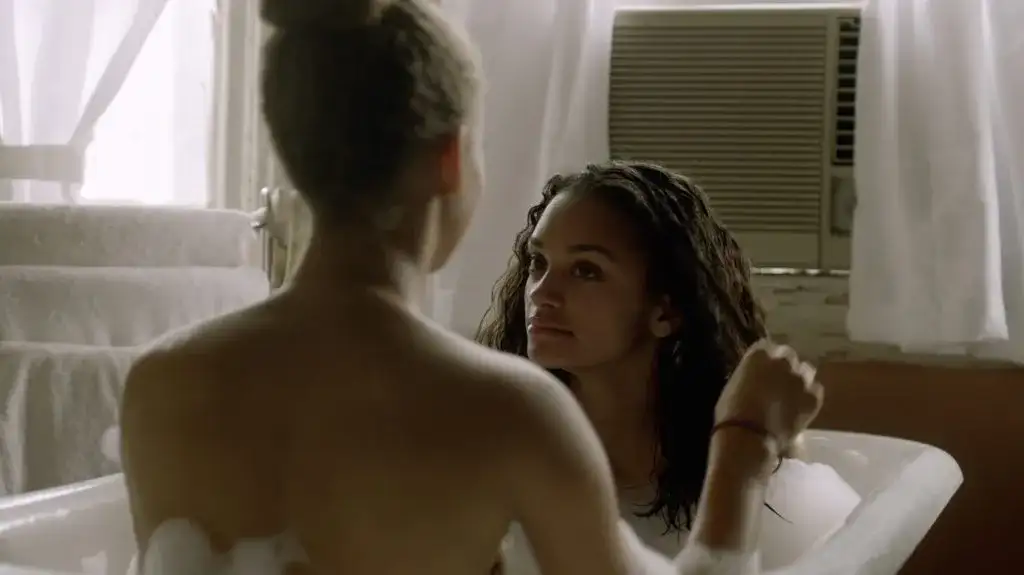
Angel Christie Williams’ Charlotte, the story of an insecure teen’s attempt to befriend a popular girl and the feelings stirred up when they get close, parallels themes explored in the “Pride and Prejudice” block. Although hampered by a rather abrupt and vague ending, the short showcases a tender and nuanced performance by Zayden Bates.
The block also features two shorts by animator Amelie Wang, Not A Doll and The Sound of Amelie. The latter is the autobiographical story of a girl finding acceptance and belonging in a touring Chinese production of The Sound of Music.
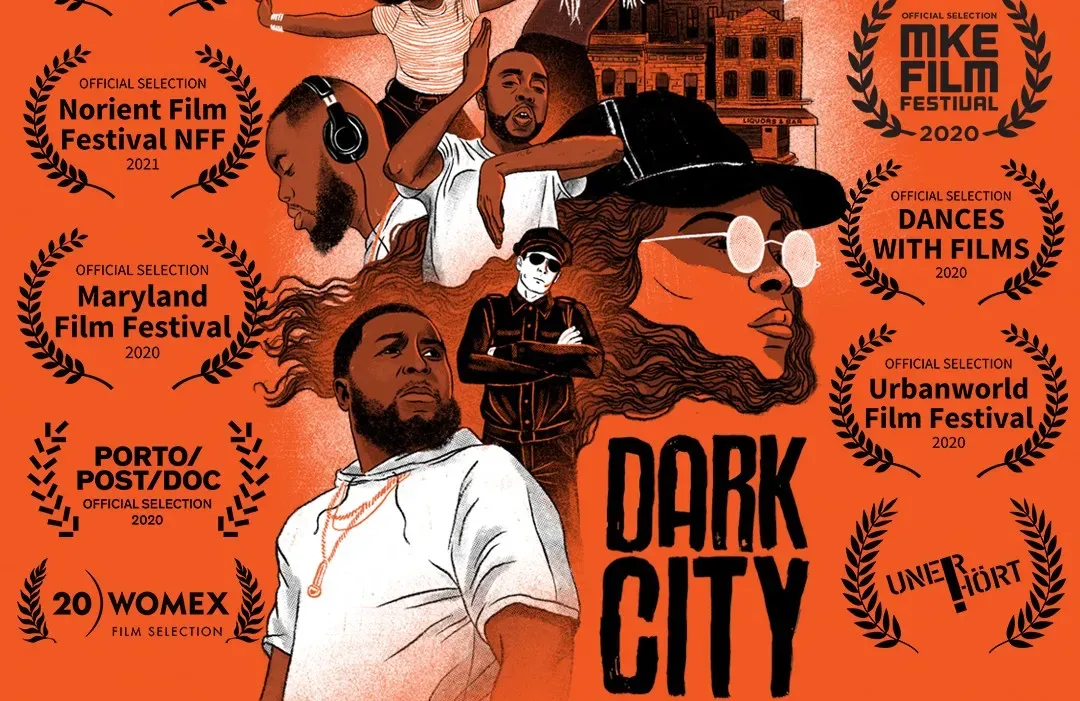
At first glance, the China-set short seems to be out of place in a lineup chiefly concerned with telling Baltimore, or at least American, stories. But, in its depiction of youth discovering a way to express themselves through music and dance, it has clear parallels to the Film Showcase’s special feature documentary screening, Dark City Beneath the Beat (2020).
Where to Watch Strange Connections
Discover where Strange Connections is available to stream, rent or buy across different platforms and countries.
Bob’s Funeral (2024)
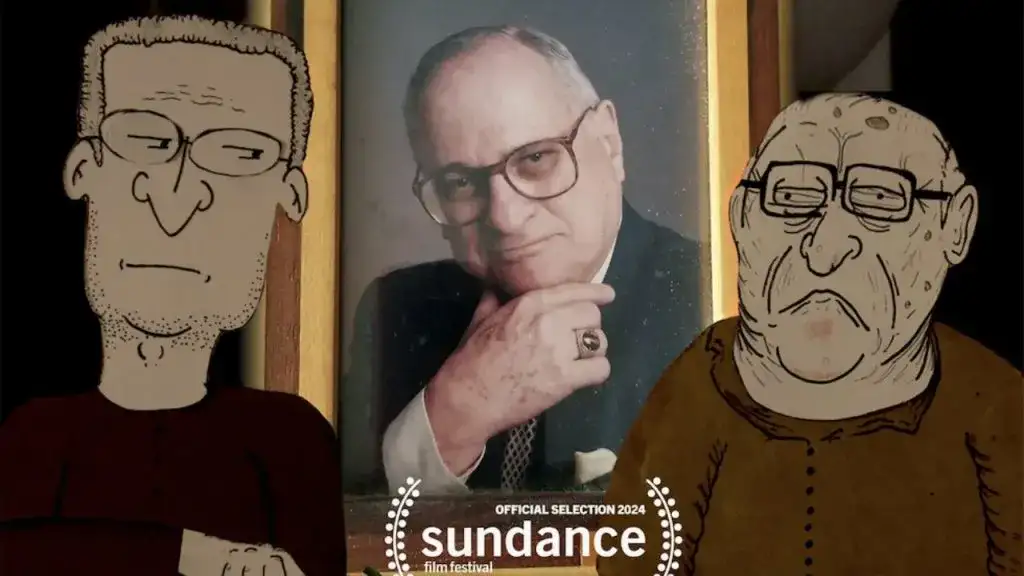
Though part of the “Strange Connections” block, I felt like this funny, insightful, and deeply moving hybrid-animation documentary deserved a spotlight all its own.
Bob’s Funeral, a Short Film Jury Award-winner at Sundance 2024, follows Jack Dunphy, a self-confessed compulsive documentarian, as he records his family before, during, and after the funeral of his paternal grandfather Bob.
A man who, by all accounts, was an unlovable terror of a human being who irreparably fractured his family. And Jack struggles in vain to get his dad Mark or his father’s estranged siblings to say a positive word about Bob.
Something put in sharp contrast when Jack begins gathering anecdotes about Mark, who would tragically pass away just five months after his own father’s funeral.
An at-times uncomfortable exploration of intergenerational trauma, Bob’s Funeral is also full of frank and self-deprecating humor: Dunphy spends a good chunk of the film reflecting on his disappointment that he didn’t inherit his father’s considerably larger penis (which is thankfully only depicted in cutout animation!)
Although it begins focused on Bob, the short ultimately transforms into a joyous celebration of Mark’s life. It leaves us with the sobering reminder that, as Dunphy puts it: “The success of a man can be measured by how many people mourn him.”
Where to Watch Bob's Funeral (2024)
Discover where Bob's Funeral (2024) is available to stream, rent or buy across different platforms and countries.
Pride and Prejudice
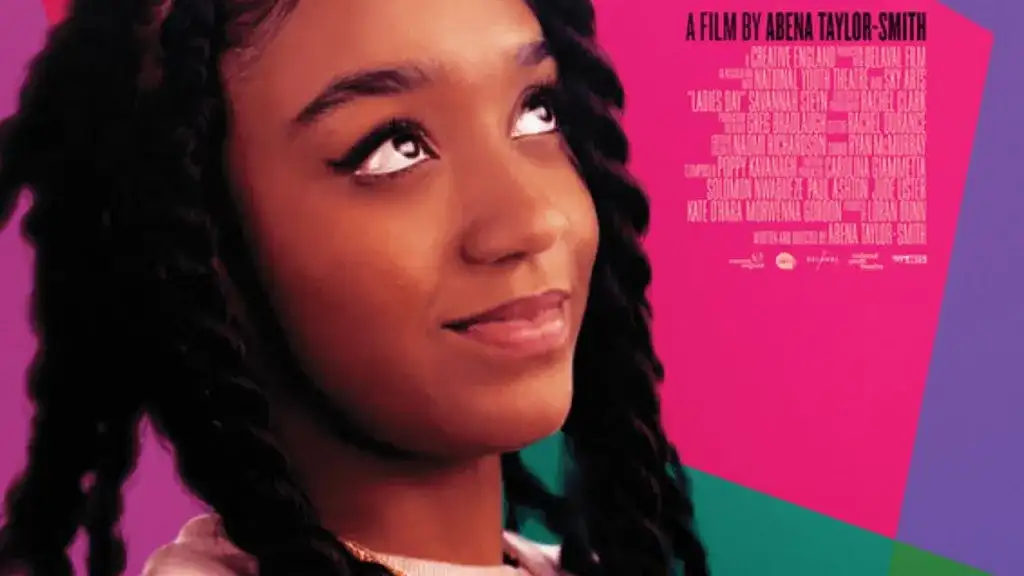
This block of shorts from the Baltimore International Black Film Festival (BIBFF) presents films “directed, produced, and starring African Americans and members of the African Diaspora.” The festival also has a mission to “prominently feature and celebrate films with content of interest to the Same Gender Loving – Lesbian Gay Bisexual and Transgender (SGL-LGBT) community.”
As a gay man, I thought that this selection of films was likely where I would find stories I could most identify with. And I was only partly right, because as a human being (who would have thought!), I found something that resonates in all the films that I watched.
Still, a couple of the shorts presented here hit particularly close to home. The fear of disapproval and uncomfortable navigation of casual homophobia shown in British writer/director Abena Taylor Smith’s Ladies Day (2018) is all too familiar. So it’s cheer-worthy when protagonist Amma eventually decides to stand up to the judgmental women gossiping in her hair salon.
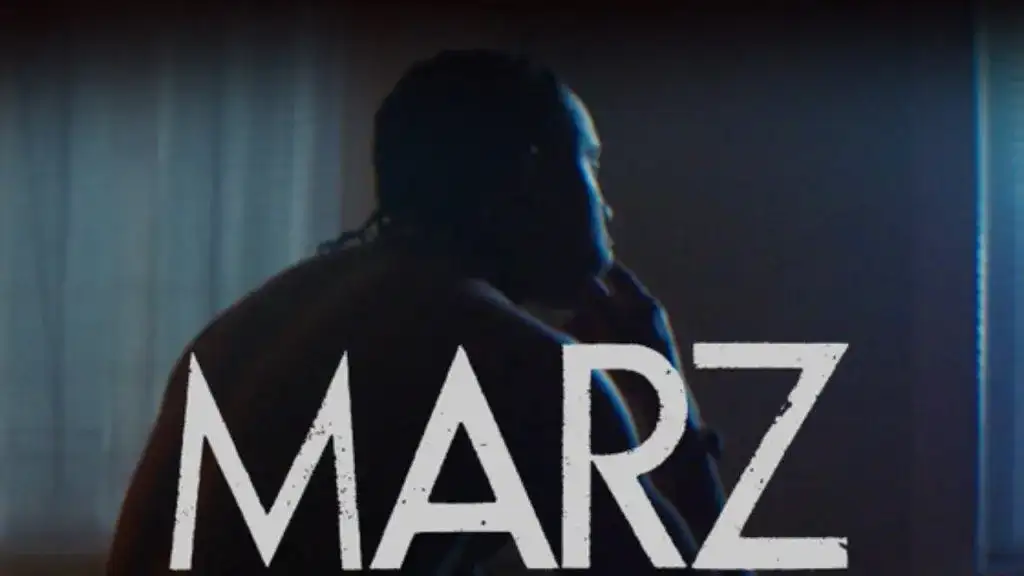
And then there’s Bobby Yan’s excellent Marz (2017), a well-written story about a closeted rapper on the brink of stardom. Lead actor Jade Yorker palpably transmits the feelings of shame, confusion, and isolation that I myself felt in my teens.
The film is beautifully shot and lit, and also touches on the limited choices available to Black youth in poor inner-city neighborhoods, as well as the dangers they face. A topic that’s very prominent in the last film I’m going to review.
Where to Watch Pride and Prejudice
Discover where Pride and Prejudice is available to stream, rent or buy across different platforms and countries.
We're sorry, no streams available for Pride and Prejudice.
Dark City Beneath the Beat
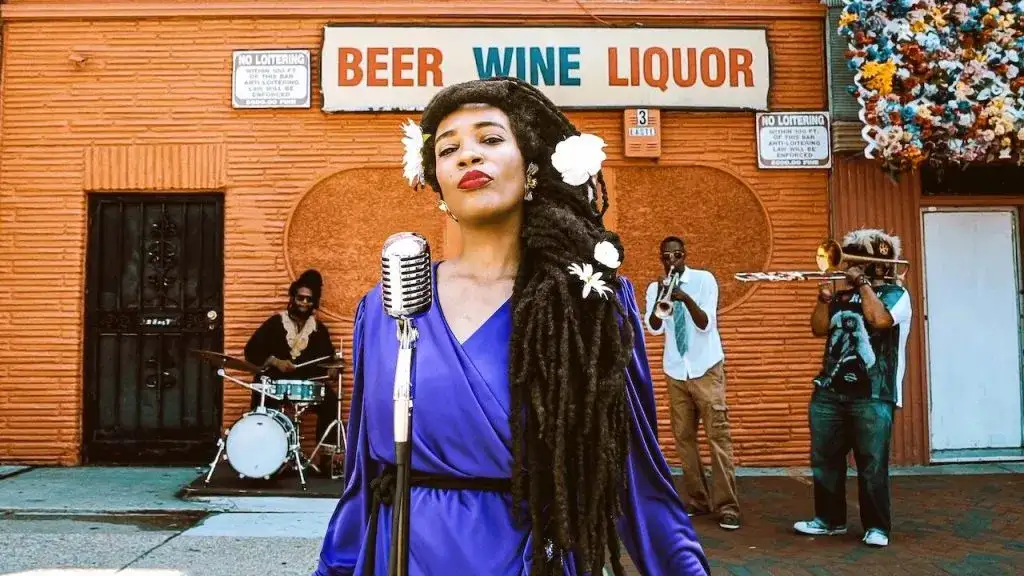
Directed by talented multi-hyphenate TT The Artist, who also appears onscreen to talk about her mission to bring Baltimore club to the world, Dark City Beneath the Beat is a vibrant, well-rounded portrait of the people who walk the city’s streets and the sounds that stir their dreams and ignite their passions.
It opens with an interview of a woman who professes her undying love for her city, even after she acknowledges that, much like the city I call home, Barcelona, and really any major metropolitan center, “It’s good and bad.” And a title card informs us that: “There are a thousand ways to tell this story.”
TT The Artist maybe doesn’t manage to reach that lofty ambition, but she certainly gives it a good try. The film profiles dozens of musical artists and dancers involved in Baltimore’s club music scene in innovative ways that gives them free reign to show off their talent.
It also doesn’t shy away from showing the reasons why young Black kids in particular turn to this local music genre: as a way to escape the harsh realities of the streets, especially racial profiling and gun violence.
The film spotlights a number of programs that encourage and nurture musical and dance talent in the city, but also highlights barriers to their success, most notably lack of funding and guidance on how to obtain the grants that are available.
By the end of the documentary, I was left with the impression that the proclamation I made at the beginning of this article might be wrong. Maybe song and dance is capable of healing Baltimore’s wounds after all. Just give these talented young people more money already!
Where to Watch Dark City Beneath the Beat
Discover where Dark City Beneath the Beat is available to stream, rent or buy across different platforms and countries.