
After recently covering Barcelona’s Mostra Fire!!, I was blessed with the opportunity to spotlight another queer film showcase.
The 4th annual Newark LGBTQ Film Festival was held from April 30 – May 3 2026 in the titular New Jersey city. With a “focus on LGBTQIA+ BIPOC film makers, directors, and actors.”
I break down my favorites below.
Handwoven
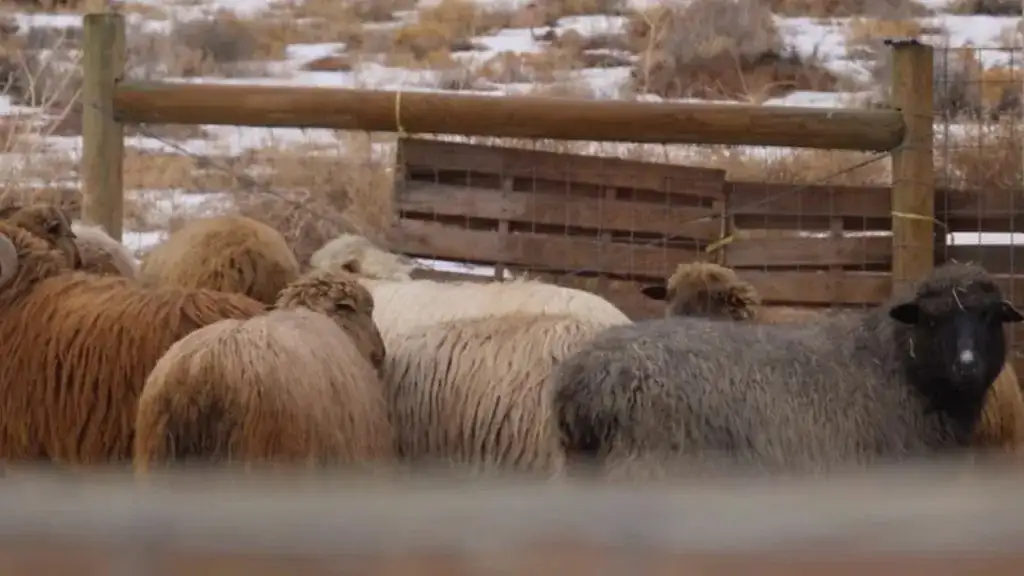
Let’s start with a film that takes place in an extremely remote region of Arizona, about as far on the mainland U.S. as you can get from New Jersey. But it definitely belongs in this program.
Title cards inform us that: “For 500 years Navajo weavers have raised sheep as a way of life. In the early 1900s, the U.S. government discovered 8 billion pounds of coal on ancestral lands. As a result, thousands of Navajo were killed and their flocks decimated. “
So far, a depressingly familiar story: Killers of the Flower Moon, anyone? But unlike Scorsese‘s recent epic, which focused heavily on the white perpetrators, this story is told exclusively through indigenous voices. And is far more hopeful.
The short documentary unfolds as an intimate portrait of Nikyle Begay, a non-binary shepherd and weaver who is one of only a few keeping an indigenous tradition alive.
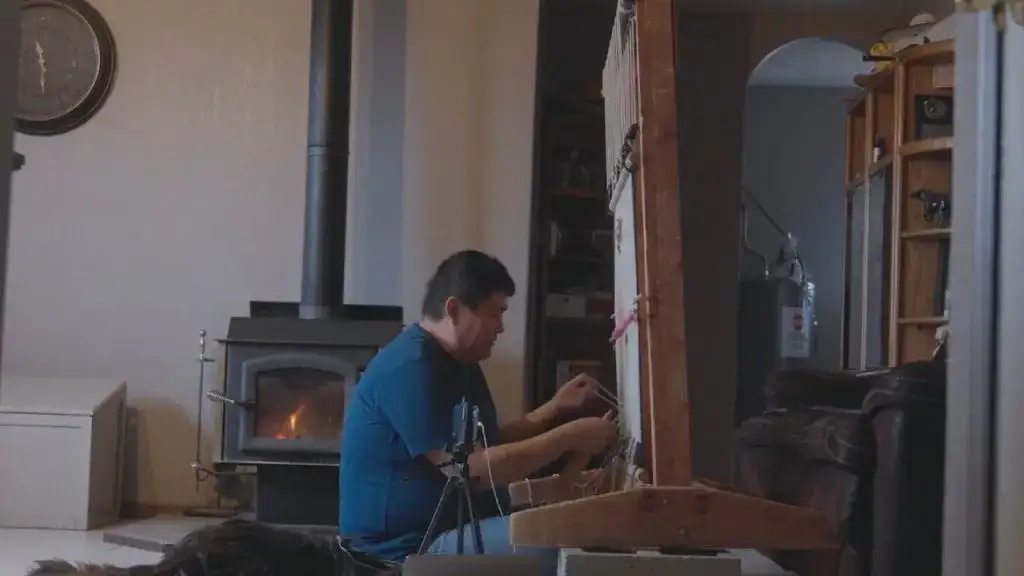
They explain that “even as a kid, I wanted to weave.” And, laughing, tell an anecdote of sneaking pieces of wool away from a basket next to their grandmother’s loom.
Instead of being angry, their grandmother simply said, “If you want to weave, watch me.” And the rest is history. Or rather, legacy.
Nikyle hasn’t had it easy though. As a child, they were frequently told, “Boys don’t weave,” and discouraged from the art form. But Nikyle describes these people as “indoctrinated.” And argues that for non-binary people, traditionally, “that was our role”.
The film showcases beautifully captured shots of the high desert landscapes (and, of course, lots of sheep!) And it is worth watching alone to witness Nikyle’s moving testimony of how working with the animals allowed them to overcome “other people’s hate and darkness” to find peace and happiness.
Where to Watch Handwoven
Discover where Handwoven is available to stream, rent or buy across different platforms and countries.
Saving Etting Street
It seems I can’t get away from Baltimore, if not physically (I’ve not once set foot there!) but cinematically.
A month after covering The Baltimore Film Summit and powerful documentary Dark City Beneath the Beat, I find myself back in the city’s streets and among Black residents trying to build a better future for themselves. In this case, literally.
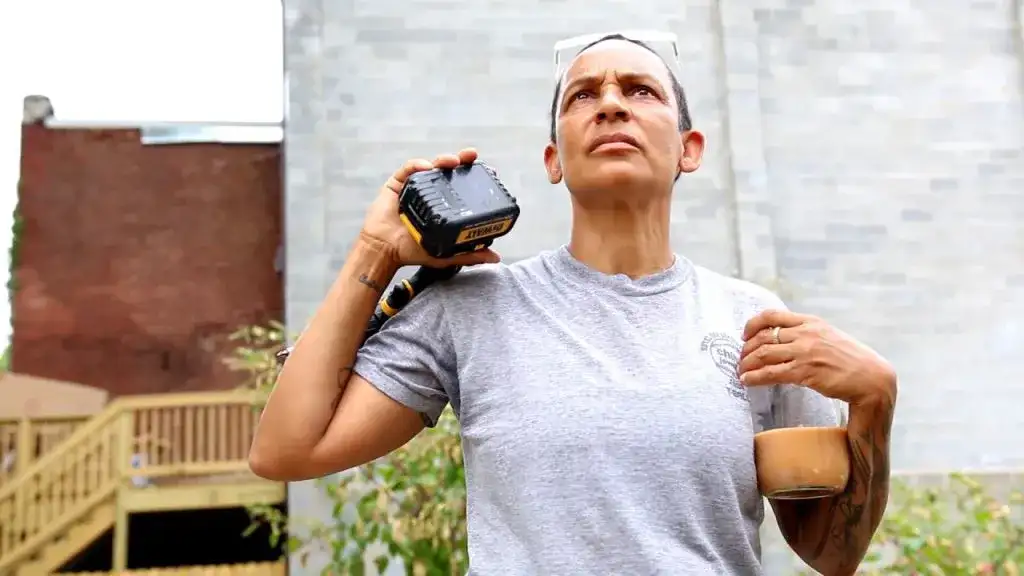
Saving Etting Street is a feature-length documentary that follows the journey of Black Women Build Baltimore, an initiative spearheaded by queer carpenter Shelley Halstead.
The film begins with a tour of Upton/Druid Heights, which co-director and resident Dena Fisher explains “was once a thriving black community, home of Thurgood Marshall and Cab Calloway.”
But the images of the present-day neighborhood suggest a major decline: there’s a historical marker on Calloway’s childhood home, but the windows are all boarded up and it’s in a state of disrepair.
Fisher then goes on to state some troubling facts: “Nearly a third of all houses are vacant. The drug dealers rule our corners. And my sons…They have grown up with the trauma of gunshots.” But she notes that “Shelley gives me hope.”
Shelley’s mission? To transform a rundown block of the titular street into liveable homes for young women of color.
The extraordinary thing is that these same women are the ones building their own future homes, learning new skills as they go. Not only that, but the idea is that that they will actually own them too.
But their admirable quest is lined with obstacles. Shelley is seen by some as an outsider (she’s originally from a small town in Iowa, but has traveled extensively, even living in an ashram in India, where she first honed her building skills) who has no business coming in and taking over a street.
These same people, largely the board of the Community Association, are constantly putting roadblocks in Shelley’s way. And at one point, the animosity seemingly boils over into arson.
And there are inevitably conflicts among the group of women too. One only wants to work on the house she will actually live in. Another Shelley chides for working “slow as molasses”, not taking into account that she is holding down a night job in order to improve her credit score enough so she can actually take out a mortgage.
Shelley is quite a character, and so makes for an engaging hero. She only drinks strong PG tips tea, demands total commitment from the women, and has zero tolerance for misogyny, homophobia, or racism. Something hard-won through years of working construction with largely straight white male colleagues.
We also get to see her softer side: she loves cats, feeding strays that wander into the overgrown gardens of the homes they’re working on. And she breaks down when reminiscing about her deceased mother, who used to stroke her back until she fell asleep. “Every night.”
But out on the streets, she is fierce and defiant. Driving by some shady characters hanging out on a street corner, she mutters: “These motherf***ers, doing their shit. What are you looking at, you f***ing punk?”
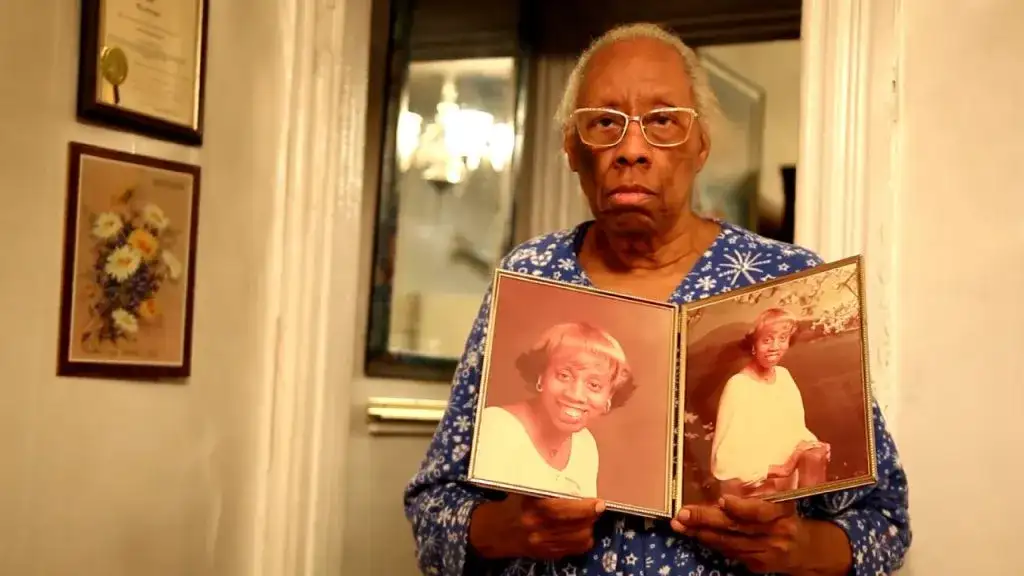
When drug users have yet again torn down boards to get into one of the houses, Shelley wearily drills them back in. But she also has help from a surprising group of allies, “the OGs, the original black women builders.”
These long-time residents have spent years sweeping the streets, picking up garbage, and chasing drug dealers off street corners. Many of them remember a time when the block was “beautiful” and vibrant with community.
Among these women is Poinsetta McKnight, the last homeowner living on the block before Shelly arrived. This incredible elderly woman explains that she will never leave the house as it’s filled with good memories. In fact, her parents were even married in the living room!
It turns out that McKnight was actually the person who inspired Shelley to “fight for the block.” Walking around one day, Shelley saw a lone carefully tended garden amidst the decay and rubble of Etting Street. And thought, “Somebody cares.”
Where to Watch Saving Etting Street
Discover where Saving Etting Street is available to stream, rent or buy across different platforms and countries.
Humans of Pride
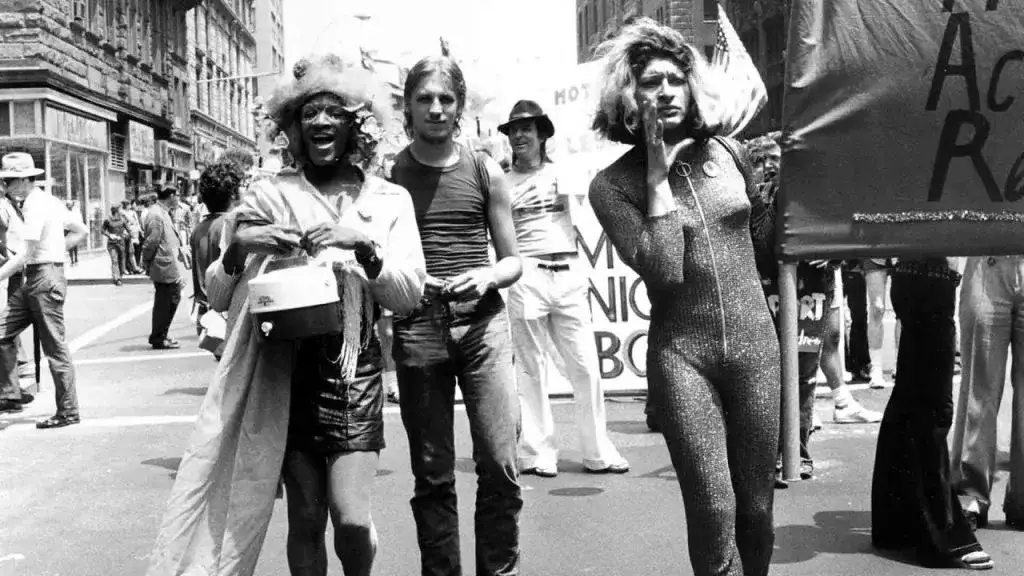
One of two feature documentaries at the 2026 film festival to include the fierce and delightful Billy Porter, the other being hybrid-rotoscope animation doc I Was Born This Way, this film was an entertaining and highly enlightening history lesson for me.
Humans of Pride traces the history of public gay activism in New York City all the way back to 1958, when such a thing was almost unthinkable. The first voice we hear from is veteran activist/journalist Randy Wicker, who explains, “I was raised in central Florida, which was real cracker country.”
He notes that “I’d written in my diary ‘If only I could meet another homosexual…,” before laughing that, now, “I think I’ve met too many!”
But he also reflects that by the mid-60s he had grown tired of trying to convince people to join the burgeoning gay rights movement, as there was a distinct lack of unity.
Common dismissals included: “I don’t want to be associated with that old dyke. I don’t want to be associated with that screaming queen over there.”
But things changed with the events in the Stonewall Inn in the fateful early morning hours of June 28, 1969. And the dramatic shift in the fight for gay rights that followed.
The documentary profiles several people who were actually there that historic night. Most notably bartender Tree, who’s been a fixture in the Stonewall for 56 years and who plans to “retire when I’m 100. Maybe.”
A year after Stonewall, in 1970, NYC’s first pride march and “gay-in” was held. Wicker notes that “we didn’t know if we were gonna be booed or attacked.”
But he marvels that “for the first time, I saw that gay people had finally seen that they had something in common and had come together.”
Much of the documentary’s runtime is dedicated to the 2019 pride celebrations in NYC, a milestone as it marked the 50th anniversary of Stonewall. But it never loses sight of the activists who paved the way and made this possible.
Mostly importantly, the queer BIPOC figures who were there from the very beginning and whose voices had largely, unjustly, been forgotten. These include trans women Marsha P. Johnson and Silvia Rivera.
At the 1973 parade, when some organizers didn’t want these then-called “drag queens” to even march, the latter got up on stage to address a crowd of overwhelmingly male, white, middle-class gay men. Who booed and didn’t want to listen to what she had to say.
But Rivera, weilding the mic stand like a weapon, defiantly warned them: “Y’all better quiet down!” And then launched into an impassioned speech about “your gay brothers and your gay sisters in jail. Who need your help. And y’all treat me this way?!”
And by the end of her speech, in which she has described how much she has personally lost and endured in her struggle for rights, she has the crowd chanting along as she spells out GAY POWER.
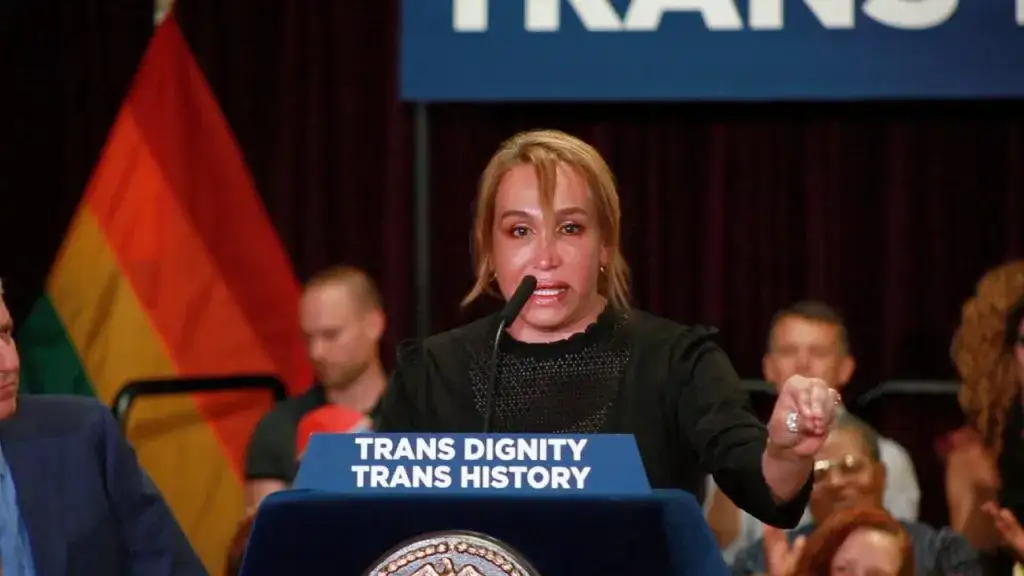
Miraculously, these two women are recognized nearly a half-century later by the city government in an event called “Trans Dignity, Trans History.” Which prominently features a moving speech by Cecilia Gentili, who has since tragically passed.
What’s jarring about this documentary, which began production in 2018, and largely stops its timeline after the 2019 celebrations, is how much has changed in just seven years.
And how, amid the rollback in trans rights, the divisions that initially stymied Wicker and which so many voices in this documentary warn against have come back in full force.
But perhaps the decision not to acknowledge this was a conscious one. The latter part of the doc, which completed production in May 2025, instead focuses on rejoicing in the exuberant celebrations of 2019 and the voices who called out for unity during the events.
These include Porter (who I previously knew mostly as the awesomely-named warlock Behold Chablis in the Apocalypse season of American Horror Story) and his Pose co-star Dominique Jackson.
But also lesser-known activists such as Qween Amor, who tirelessly fights for trans rights the best way she knows how: by shaking her booty! Including, in an admirable act of defiance, on top of a parked police car.
Where to Watch Humans of Pride
Discover where Humans of Pride is available to stream, rent or buy across different platforms and countries.
Rainbow Girls
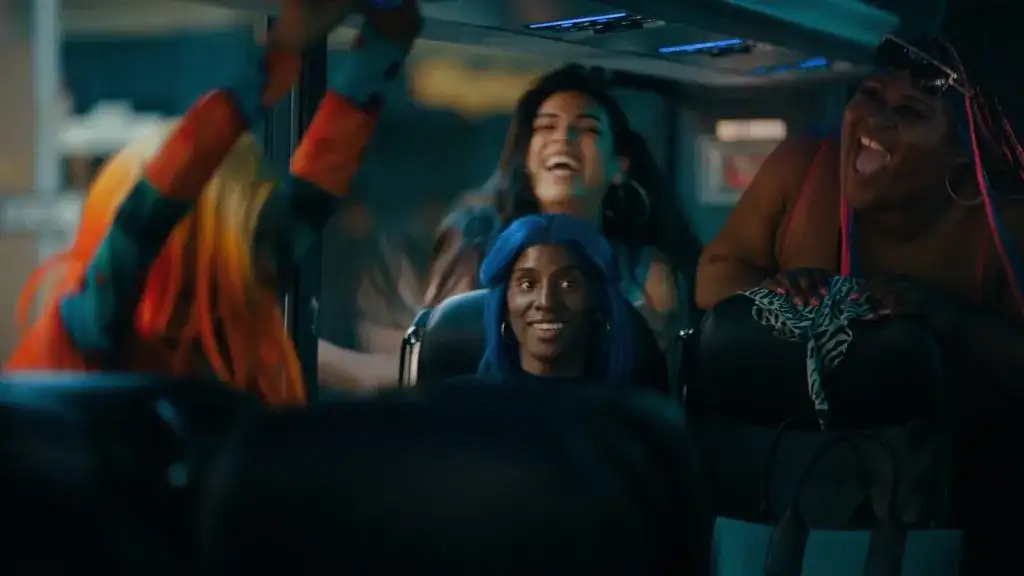
Defiance is also on full display in Rainbow Girls, which shares a basic premise with Boots Riley’s highly entertaining, exceptional recent satire I Love Boosters (seriously, watch it if you haven’t!)
But while that film is hyper-stylized and goes off in some truly nutty directions (as can now be expected from Riley), this short remains fully rooted in reality, sticking to its “Based on a True Story” premise. What’s more, it has plenty of its own to say about marginalization and gentrification.
What also sets it apart from Riley’s film is the fact that the cast is almost entirely made up of trans women, including Sis Thee Doll (who previously appeared in a ep of AHS: NYC) and Baby Reindeer‘s Nava Mau.
And this is barely acknowledged. Which feels like a progressive and admirable act in itself.
Where to Watch Rainbow Girls
Discover where Rainbow Girls is available to stream, rent or buy across different platforms and countries.
Two Black Boys in Paradise

Two Black Boys in Paradise is based on the poem of the same name by Dean Atta. And received early development support from Gandalf/Magneto himself, Ian McKellen!
It’s a stand-out in this program not only because it tells a beautiful and tender love story. But also because it’s rendered in gorgeous stop-motion animation, with what director Baz Sells describes as “an aesthetic that celebrates imperfection.”
Atta’s intention with the poem was to “claim Eden for Black queer people.” And the filmmakers have done a beautiful job of bringing such a paradise to the screen.
So as to create contrast, it’s also not afraid to show the horrors the boys face in the real world, such as homophobic prejudice and police discrimination.
Neither does it shy away from the blissful love-making they discover together in their fantasy realm. Though much of it is implied by audio and the reactions of a curious peacock!
Where to Watch Two Black Boys in Paradise
Discover where Two Black Boys in Paradise is available to stream, rent or buy across different platforms and countries.
Voice Shift
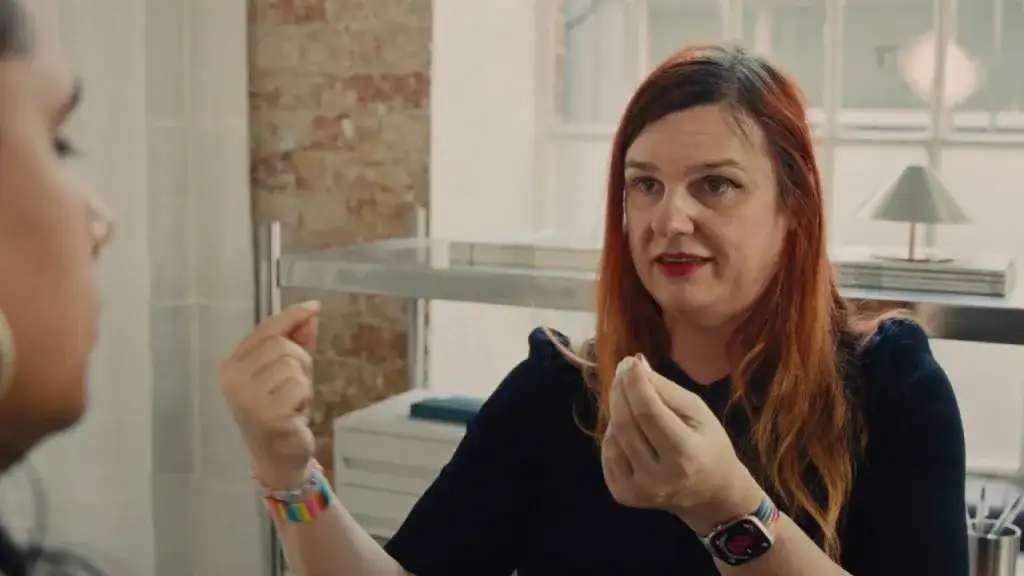
If Humans of Pride made it more than clear that those fighting for LGTBQ+ rights cannot turn their back on their trans sisters and brothers, Voice Shift absolutely crystalizes this point.
This 25-minute documentary centers around the work of Heather Kane, a vocal feminization teacher based in the UK. And her mission to “literally help some trans people find their voice.”
It showcases a range of trans voices, including Heather’s clients, who have largely come to her because they don’t feel like their voice is their own and want to fully embrace their identity. But it also features some women who have not engaged Heather’s services.
One participant, Shy, who can otherwise pass as a cis woman, is opting for vocal surgery. And her reasons for doing so are kind of heartbreaking: “I just feel like the way things are going with politics and everything else, now is not the time to be clocked.”
Shy already lives with microaggressions on a daily basis, and the trauma from the disgraceful way she was treated by U.S. border control on a trip to Miami. And she is fed up.
The film features the women’s distraught reactions to hearing the 2025 UK Supreme Court Ruling on the Equality Act. As well as Trump’s orders restricting recognition of trans gender identity in the same year. Which Shy feels has “given people an excuse to hate us.”
Heather notes that business has been booming lately, which is obviously great for her, but “in the worst possible way.” As most clients are now seeking to change their voice to avoid discrimination rather than to solidify their own sense of identity.
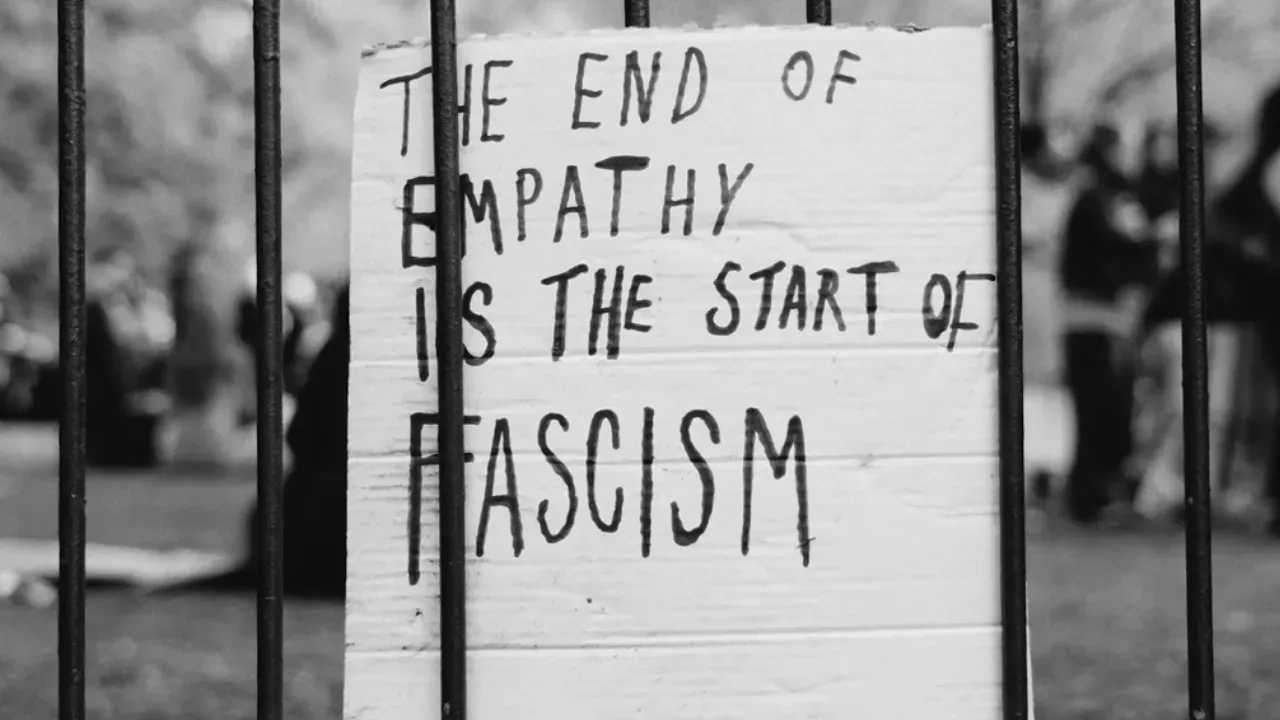
However, the documentary also offers hope by showing scenes of protests calling for trans rights. And one placard is given prominent screen time: “The end of empathy is the start of fascism.”
Where to Watch Voice Shift
Discover where Voice Shift is available to stream, rent or buy across different platforms and countries.