
Where to Watch Strange Journey: The Story of Rocky Horror
Discover where Strange Journey: The Story of Rocky Horror is available to stream, rent or buy across different platforms and countries.
Why I took it off the list:
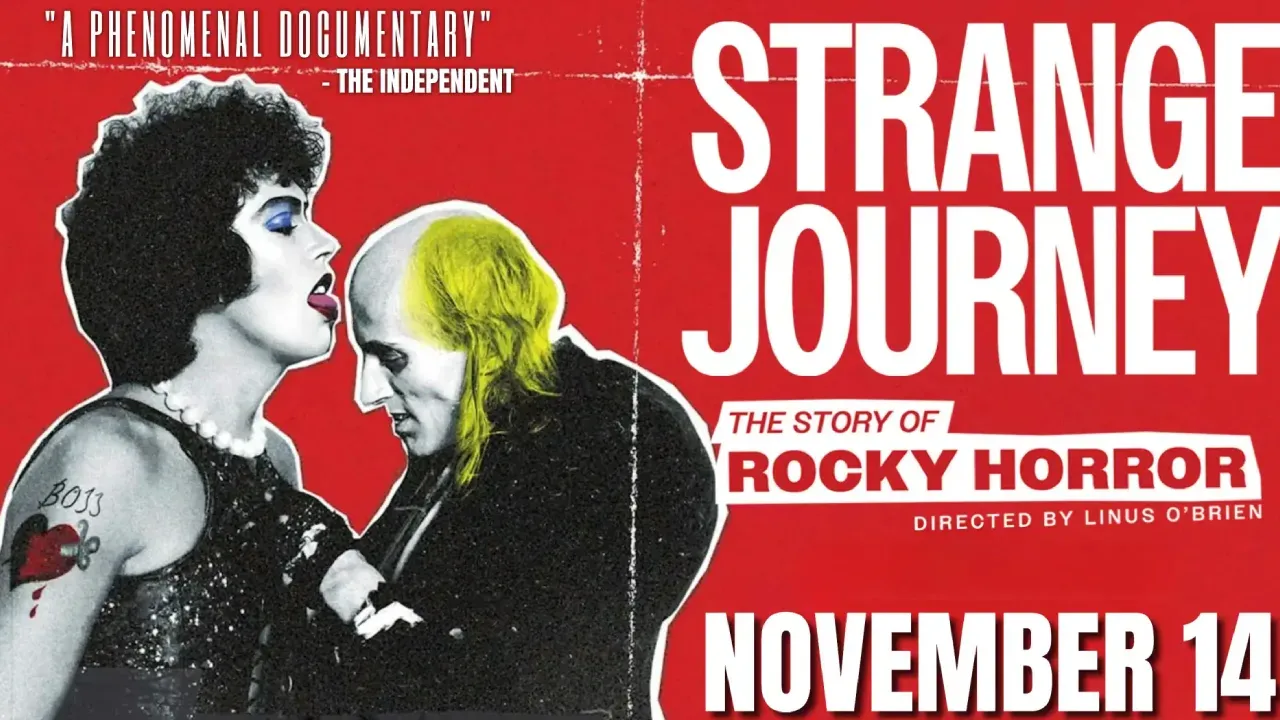
I’d been meaning to review more documentaries for the site, so when I saw that a chronicle of the journey of Rocky Horror from an obscure London stage show to a global cult phenomena had been released, I knew I had found an ideal candidate.
And as it’s directed by the son of brainchild of Rocky Horror Richard O’Brian, I was expecting an intimate and detailed documentary full of insights into the show’s creation.
So, let’s dig in!
Review of Strange Journey: The Story of Rocky Horror (2025)
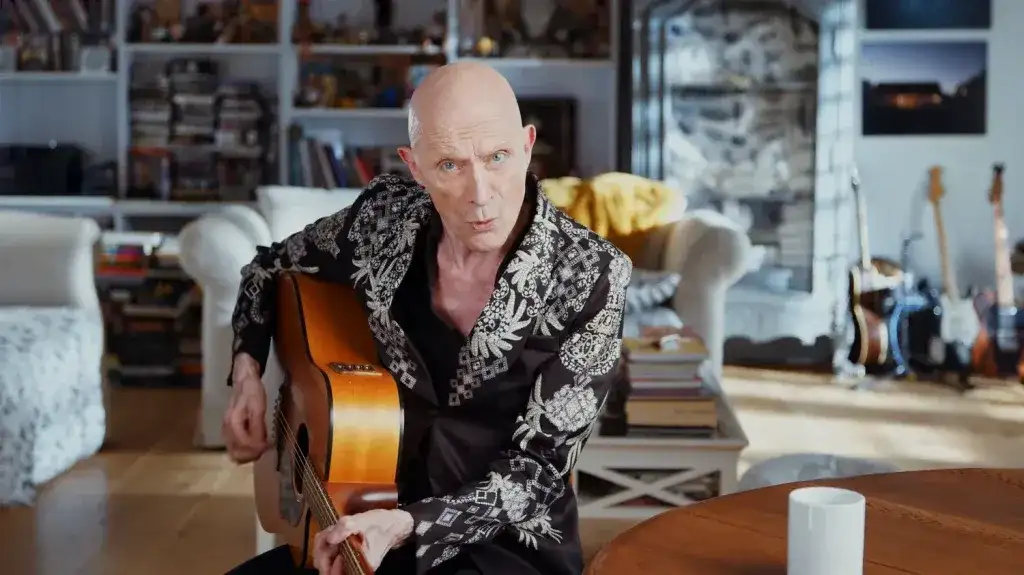
Strange Journey begins by taking things all the way back to the very start, to the sleepy New Zealand town of Hamilton, where Richard O’Brian grew up. And it literally takes him back there too, as the opening of the film shows him driving around suburban streets, trying to locate his childhood home.
Once he’s found it, he remarks in wonder that the beautiful trees lining the street must be 70 years older than the last time he saw them, before he launches into sharing a vivid memory of a time he was reprimanded by his parents.
Confined to his brother’s room, he sat on a bed and got lost in a book as rain fell outside, and he laughs that he couldn’t have thought of a better punishment. It’s one of many insightful reveals into his nature and the formation of his personality throughout the film.
Soon after, he’s approached by an enthusiastic neighbor who is overjoyed to meet him. She proudly tells him that people in the neighborhood call his childhood home the ‘Rocky Horror house’. Richard replies with bemused surprise, “Do you really? No, stop it! Good heavens above!” and is visibly speechless.
We then take a trip to what is now Hamliton’s most famous landmark, a life-size statue of Richard as his Rocky Horror character Riff-Raff, clad in his spaceman gear and pointing a laser gun.
It’s a triumphant moment, as “I’m Going Home” plays on the soundtrack and Richard reveals that the barbershop he worked in as a teenager once stood close to the site and that, while cutting hair, he joked that one day they’d replace it with a statue of him.
In a close-up of the commemorative plaque, we also learn that the Embassy Theatre once called the location home as well. And that it screened Hamilton’s late night Double Feature show.
It’s curious and somewhat disappointing that Richard never comments on this, as that regular program surely had a formative role in inspiring his most celebrated work, and, most obviously, its signature anthem.
Indeed, the documentary is sadly overall lacking in shedding light on the inception of Rocky Horror, other than the reveal that Richard came up with it on the fly while starring in London productions of Hair and Jesus Christ Superstar.
Perhaps this is because the filmmakers decided it was already well-covered in other media, or maybe it’s simply because there’s only so much of this rich history you can include in an hour and a half documentary.
A Welcome Focus on the Fans
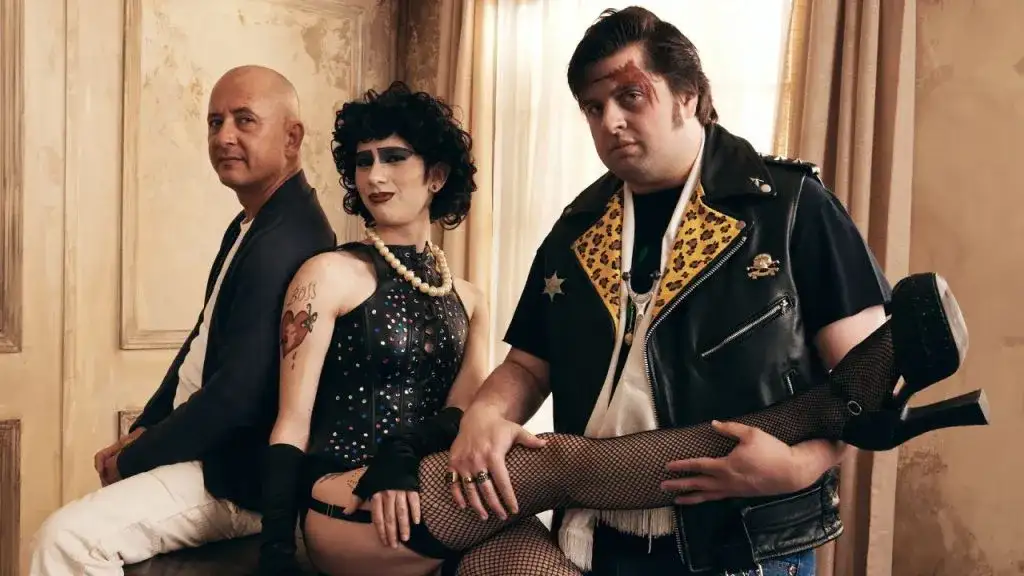
Before tracking Richard’s fateful journey to London and the eventual staging of The Rocky Horror Show, the film takes a close and moving look at the fandom.
Over the opening credits, in vintage newsreel, we see legions of eager fans in Frank-N-Furter, Magenta, and Columbia outfits rushing to line up outside overflowing cinemas.
And interviews with dedicated audience members who proudly declare it’s the 122nd or 137th time they’re seeing what a bemused newscaster dismisses as a “film about transvestites.”
It’s also here where we get our first glimpse of the film’s leading lady, Susan Sarandon, who, in a 90s red carpet interview, marvels that “it’s the only cult film that has this kind of longevity.”
And it starts to become clear that Rocky Horror appealed to young people at the time, and continues to resonate among minority groups, because it “was one of the first popular musicals to depict fluid sexuality during a time of division between generations and a lack of sexual difference acceptance.”
After the credits, we get our first present-day talking head, but it’s not any of the cast or creative team, as you might expect.
Instead, we sit down with a surprising superfan, famous drag queen Trixie Mattel. He recounts a vivid teenage memory of coming across a Rocky Horror DVD in a bargain bin and being instantly captivated by that iconic image of Tim Curry draped over those bright red lips. And how that chance ‘encounter’ changed his life.
Lacking Some Critical Insight
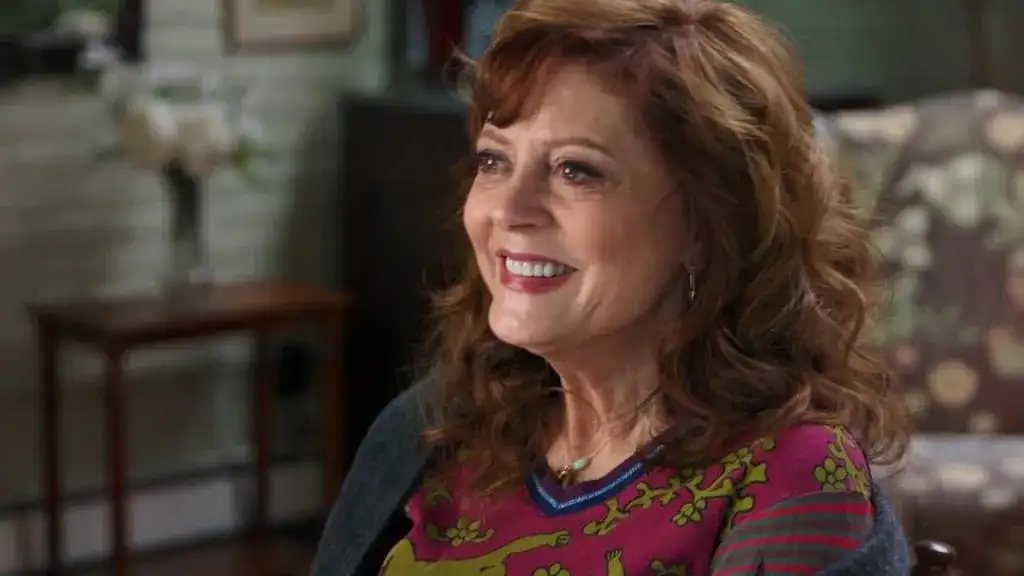
After Mattell’s impactful interview, we get the film’s backstory. And to hear from the expected participants in the present day as Curry, Sarandon, Patricia Quinn (Magenta), Nell Campbell (Colombia) and more recount memories of the production and the unexpected reception of the film.
And they all deliver lively and memorable anecdotes. Among the most insightful is Rihcard’s confession that he originally wanted to play Eddie because “he gets out of the fridge, sings a song, gets back in the fridge, and dissappears” but that director Jim Sharman always saw him as Riff-Raff.
They’ve also managed to get an interview with a very surprising famous actor, who recounts his “instant psychic connection” with the eventual Eddie actor in the film: Meat Loaf. He even attempts to sing a little of “Touch-A-Touch-A-Touch-A-Touch Me”!
And, as could be expected, Sarandon is captivating, particularly as she talks about her realization that “the movie is about saying yes to life.”
What’s missing a little is the cast’s negative feelings towards the public and industry association with their legendary performances. As it’s well-documented that Curry, as well as Barry Bostwick (Brad) and Peter Hinwood (Rocky) were not exactly thrilled with the roles they were being offered after the film gained notoriety.
The film is also lacking a little more input from the director, as it would have been interesting to hear more of his opinions about the film that dominated his youth.
But he still has plenty of touching on-camera interactions with his surprisingly sprightly elderly father, particularly when they dig into Richard’s acceptance of his sexuality.
In the end, it’s understandable that the filmmakers would want to keep the tone upbeat and mostly celebratory, which they absolutely succeed in.
Final score: 8/10
Worth Watching?
Yes, if you are a Rocky Horror fan, then this is a must-watch, creative documentary, a joyous celebration of an underdog play turned worldwide phenomena.